
Women make history year round. The month of March Women’s History Month. International Women’s History Day is celebrated yearly on March 8.
Why is Women’s History Month important?
To educate: Women’s History Month spreads awareness of women’s contributions and addresses the historical exclusion of women’s achievements and stories, specifically in schools and media. In recent years, this has brought on an increase in the usage of the term “HERstory,” which refers to history written or rewritten from a feminist perspective and/or emphasizing the role of women.
To empower: Women’s History Month showcases female leaders and accomplishments, encouraging young girls to pursue their ambitions and dreams, particularly in underrepresented fields. The ultimate goal is to challenge gender stereotypes and provide examples of courage and leadership, proving women have always shaped history.
To celebrate: Women’s History Month celebrates the contributions and achievements of women in science, history, business, mathematics, entertainment, finance, sports, religion, literature, law, education, healthcare, politics, engineering, and more on an international scale.
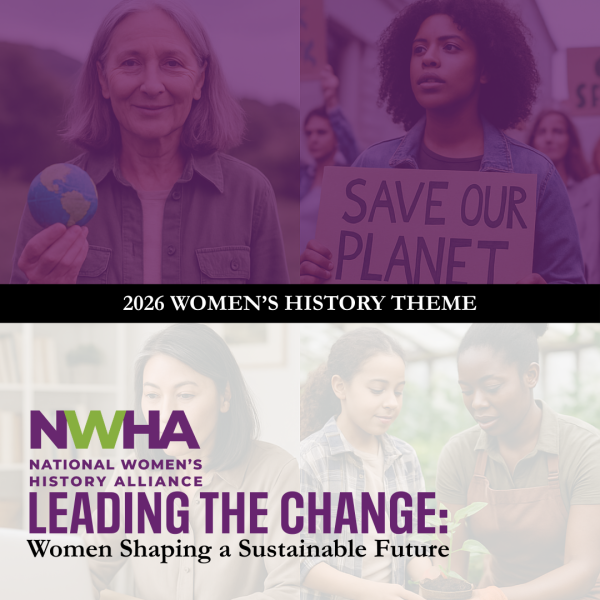
The National Women’s Alliance, a non-profit organization with the mission of writing women back into history, chooses the theme for every year’s Women’s History Month. This year’s focus is Leading the Change: Women Shaping a Sustainable Future, highlighting women’s role in environmental justice, activism, and technology. This theme “recognizes the powerful leadership of women in creating a future that is rooted in equity, justice, and opportunity for all,” (National Women’s Alliance).
History of Women’s History Month
1910: German activist Clara Zetkin suggested that National Women’s Day be recognized as International Women’s Day at the International Conference of Working Women in Copenhagen. 17 countries attended and unanimously approved. The purpose of Zetkin’s proposal was to unite working class women to fight for suffrage, equal pay, and reduced working hours.
1911: First International Women’s History Day was celebrated in countries such as Austria, Switzerland, Germany, and Denmark. It was not yet recognized within the United Nations or United States.
1978: In Santa Rosa, California Women’s History Week (March 2-March 8) was created by the Education Task Force of the Sonoma County Commission on the Status of Women.
1980: President Jimmy Carter issued a presidential proclamation declaring the week of March 2-March 8 as National Women’s History Week.
1981: Congress passes Pub. L. 97-28, authorizing the President to proclaim the week beginning March 7, 1982, as Women’s History Week.
1987: After being petitioned by the National Women’s History Alliance, then called the National Women’s History Project, Congress passes Pub. L. 100-9, designating March 1987 as the first Women’s History Month.
1989-present: National Women’s History Alliance chooses a yearly theme that is celebrated all around the world.
How Northside Celebrates
Feminism Club held a fundraiser in March called Hearts for Change, selling drinks and snacks. They raised approximately $450 and all proceeds went towards Planned Parenthood, a 501(c)(3) non-profit organization, dedicated to providing sexual/reproductive healthcare, education, policy action, and more. Additionally, the club holds meetings year round about the success of women in history and discusses complex issues in women’s rights.

National English Honor Society (NEHS) constructed a bulletin board featured in the English wing with important books written by women. The highlighted author this year was Louisa May Alcott, the author of Little Women (1868), Good Wives (1869), and more.
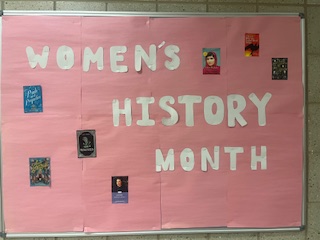
Women in Sports Club highlighted success in women’s sports and female athletes year round. In March specifically, the club focused on women’s success in the 2026 Winter Olympics through interactive games and slideshows during meetings.
How Chicago Celebrates
Chicago History Museum: Features “HERstory” musical performances, interpreter-led tours, and events honoring women in the arts.
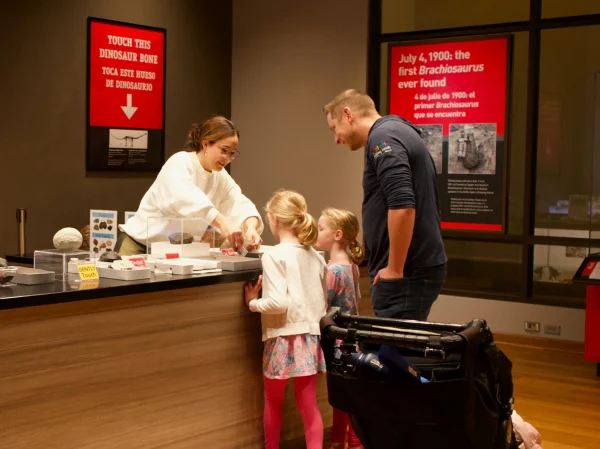
Field Museum: Offers events and exhibitions like a “Meet a Scientist,” “Women in Science Lecture” and more, focusing on women’s contributions to STEM fields.
Chicago Public Library: Hosting screenings of movies that are directed/written by women, Women in Trade Fair, women’s history arts and crafts nights, book clubs, and more.