Over the past few years, thrifting has shifted from an occasional habit into a cultural trend. Data from Google shows that search interest in “thrifting” has steadily climbed since 2020, reflecting what many shoppers have already noticed in stores.
Senior Eduardo De La Rosa, who is interested in thrifting, says, “It’s really cheap, and people are trying to save money because of the economy.”

Another common thrifter, senior Yariliz Ramos-Garcia, points out a financial pressure that shaped this shift, explaining, “People are starting to realize that it’s really expensive to go shopping, really expensive to buy new clothes,” especially for teenagers trying to “look good and be presentable on a budget.”

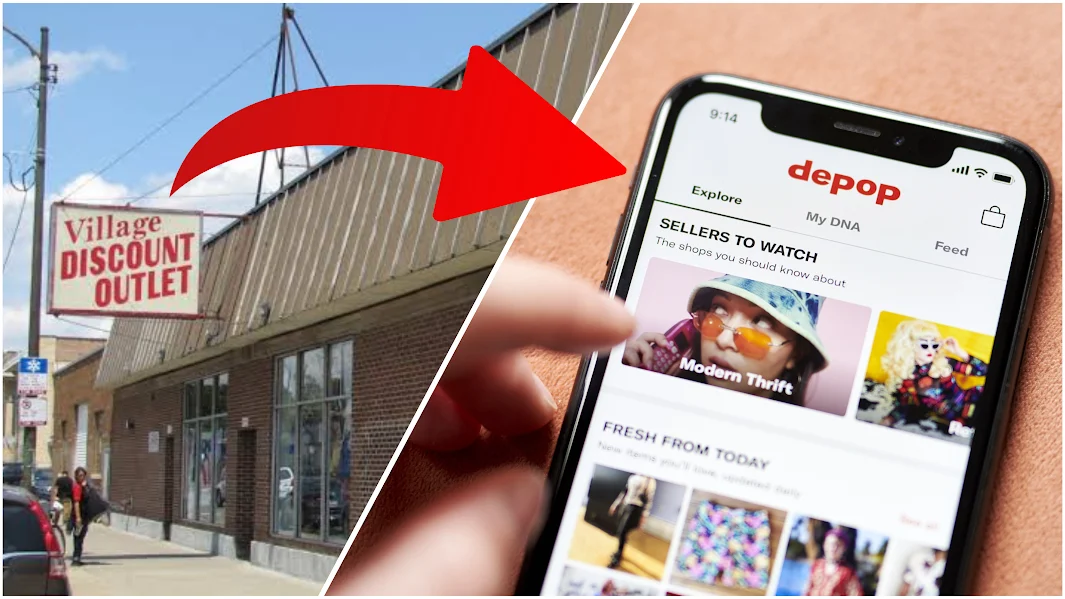
The increase in thirfting can be seen around Chicago. Vintage stores are appearing more frequently, and this has had an effect on consumer’s shopping experience. The same jacket that could have been found for a bargain at a store like Village Discount is now displayed as a “Vintage Find,” marked up accordingly.
Part of this shift can be traced to the rise of social media. On platforms like TikTok, thrifting has become content. Influencers film themselves flipping through racks, celebrating “hauls” or documenting how they turn secondhand finds into profit.
As Eddie also noted, “The clothes that people thrift are getting very mainstream now.”
Reselling, in particular, has become popular. Clothes are no longer just bought to wear; they’re being bought to be resold. Flea markets, once known for affordability and accessibility, are increasingly filled with curated prices picked for trend-conscious buyers rather than everyday shoppers.
Yare explains that while thrifting is still accessible in some places, “some people have really taken advantage of [it], and it’s become less accessible for those who need cheap clothing options.” At the same time, she points out that stores like the Salvation Army still offer relatively affordable options.

Eddie values the unpredictability of “not knowing what [he’s] going to get that day,” while Yare appreciates how it helps her “acknowledge the beauty in used products.”
Increased thrifting has also created new opportunities. The growth of vintage stores across Chicago reflects a surge in small businesses built around secondhand fashion.
There’s also an environmental angle to the thrifting trend. As thrifting becomes more popular, more clothing is being reused rather than discarded. In a time when fast fashion dominates and landfills continue to grow, giving older garments a second life carries impact.