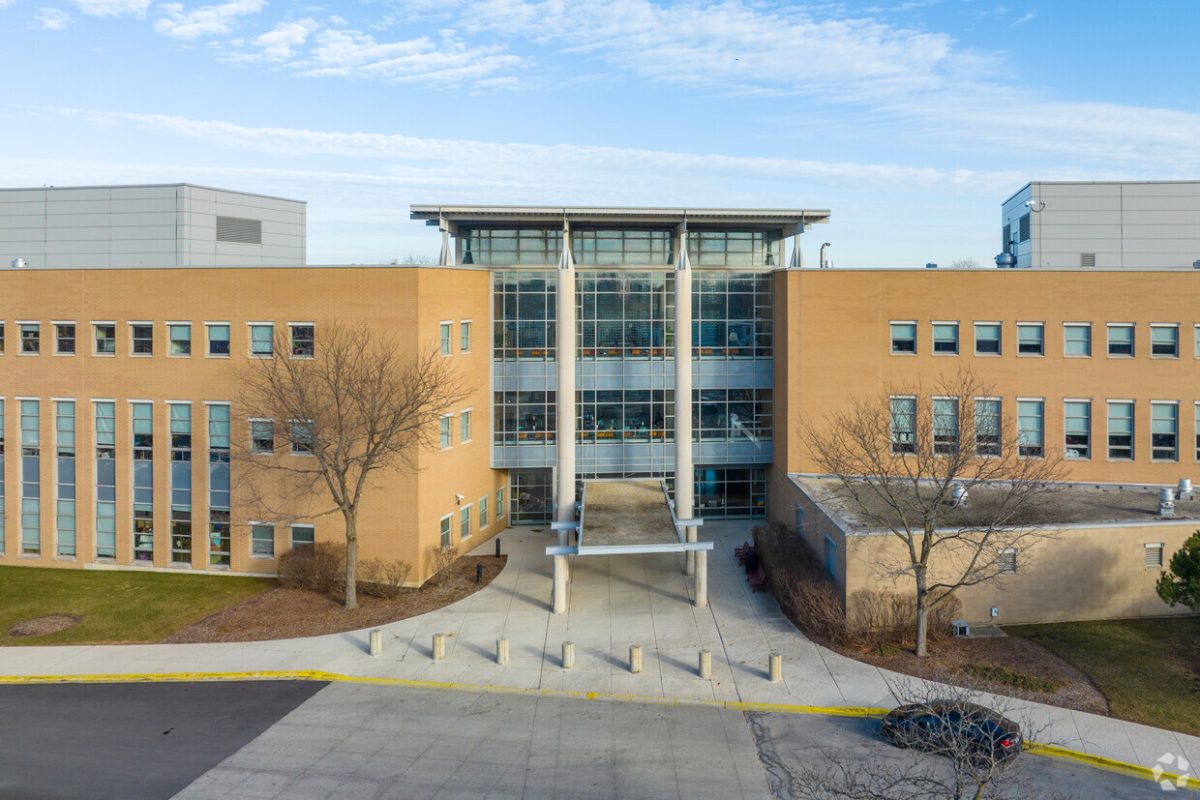

A couple of seeds, a handful of clay, and dirt are all you need to make a change in the environment. Small spheres packed with seeds can be a simple yet effective way to bring greenery to otherwise dead, lifeless spaces. What started as a fun experiment by AP Environmental Science (APES) students turned into what the Northside backyard is today.
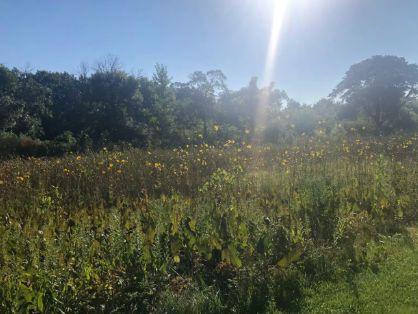
Making seed balls is a fun and inexpensive way to create community gardens. The only materials required are clay, a pack of seeds, water, and dirt, totaling less than $25.
The process is simple: flatten the clay into a circle and place moist dirt and seeds in its center. Roll the clay into a ball and throw it into a plot of land. The rain will eventually spread seedballs across the land, and lush greenery will grow. Anyone can do this hands-on, low-cost activity. It does not require expertise or complex gardening tools.
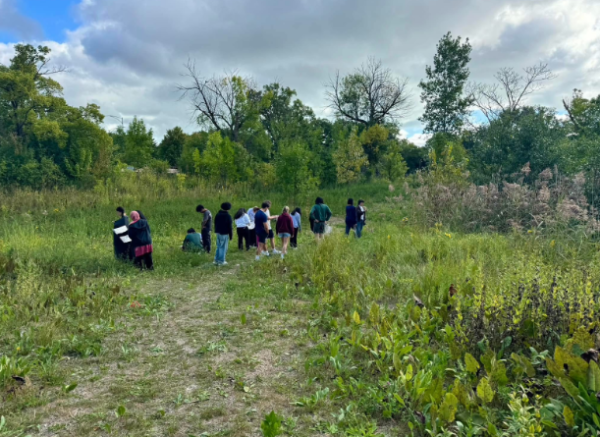
Ms. Ayesha Qazi-Lampert (Science) first introduced the seedball experiment into the APES curriculum a couple of years ago when inspired by a study showcasing a significant decrease in the human connection with nature.
She explains that she wanted to help students “foster a collective sense of responsibility and a hopeful relationship with nature,” all while taking climate action to restore the prairie in Northside’s backyard. A year later, she saw significant changes in the Northside backyard and increased student involvement in environmental action.
APES students have been participating in this seedball project for the past couple of years, and it has caused a tremendous change in Northside’s appearance and biodiversity.
Ms. Qazi-Lampert states, “The seedballs students create in AP Environmental Science class and launch in our prairie help ensure the biodiversity, conservation, and preservation of our native prairie plants continue to grow and flourish.”
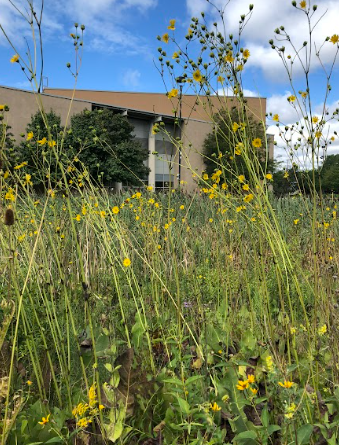
This project also changed how APES students view the environment.
Ellis Korda (Senior) said, “It gave me more of a direct stake in helping rewild the backyard, because we were throwing seeds out there. Now when I see native plants in the backyard, I think, ‘Oh, I helped do that.’”
Projects like the seedball project give students tangible evidence of their work, giving them a sense of pride and ownership in the Northside community.
This project also helps students gain a new perspective on conservation efforts. Senior Cecile Garcia said, “I feel like people think it requires a lot of hard work, but it really doesn’t have to. I feel like I can do more than I already have.”
For both Ellis and Cecile, this project inspired them to make a change in their own communities. For Cecile, it inspired her to plant a new tree in front of her house after the old one got cut down. For Ellis, it inspired him to plant more native species in his backyard. This simple seedball project not only changed the Northside backyard but also inspired students to start initiatives in their own communities.
The seedball project Ms. Qazi-Lampert introduced to Northside shows that change can start small. With a bit of effort and creativity, students turned barren land into a beautiful garden that all students and teachers can enjoy. What began as a simple project has had a lasting impact on Northside students and on how they view gardening and conservation efforts.